
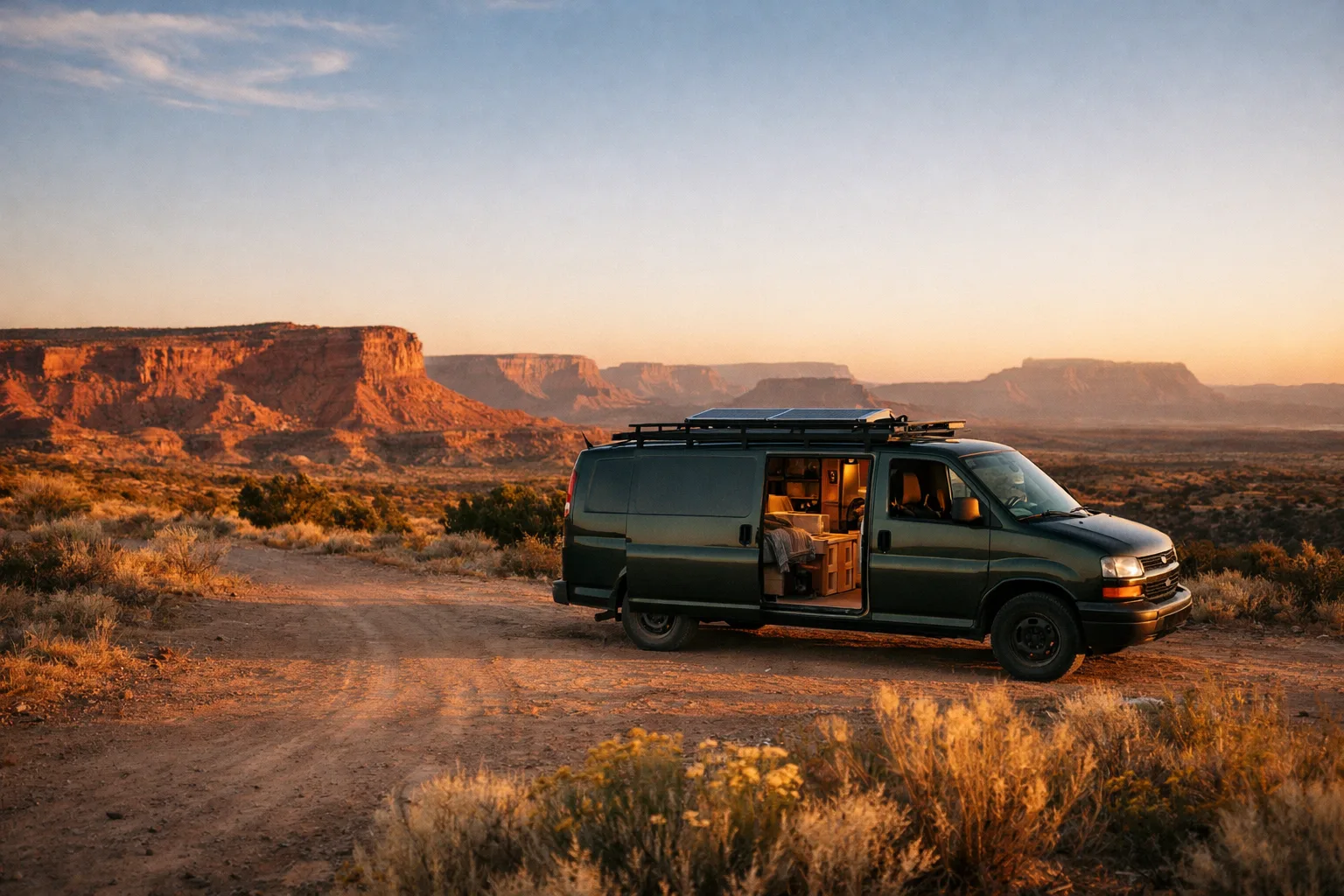
Best Places for Van Life in the US: Where to Go in 2026
Follow the weather, follow the free camping, follow the other nomads. Here's where to be and when.
Ask any full-time van lifer where the best place to park is and you'll get the same answer: it depends on the month.
That's not a cop-out. It's the most important thing to understand about living on the road in the US. The best spot in January is miserable in July. The perfect summer camp is buried in snow by November. And the places that look incredible on a map might have zero cell service, no water, and a 14-day stay limit that's aggressively enforced.
Most full-time nomads end up following roughly the same seasonal migration pattern. Not because anyone published a rulebook, but because weather, free camping, and basic comfort push everyone in the same direction. It's called the nomad circuit, and once you see it, you can't unsee it.
Here's where experienced van lifers actually go, season by season.
If you would rather browse by place than by month, we have broken the same ground into two companion guides: the 12 best states for van life, ranked by public land and climate, and the 10 best cities for van life, with where people actually park in each one.
Winter (November - March): The Southwest
This is where it all starts. When temperatures drop across most of the country, the entire nomad population funnels into the desert Southwest. It's not just about avoiding cold. The Southwest has the highest concentration of free public land camping in the country, the weather is mild enough to live comfortably without hookups, and the sheer density of other nomads means you're never far from community.
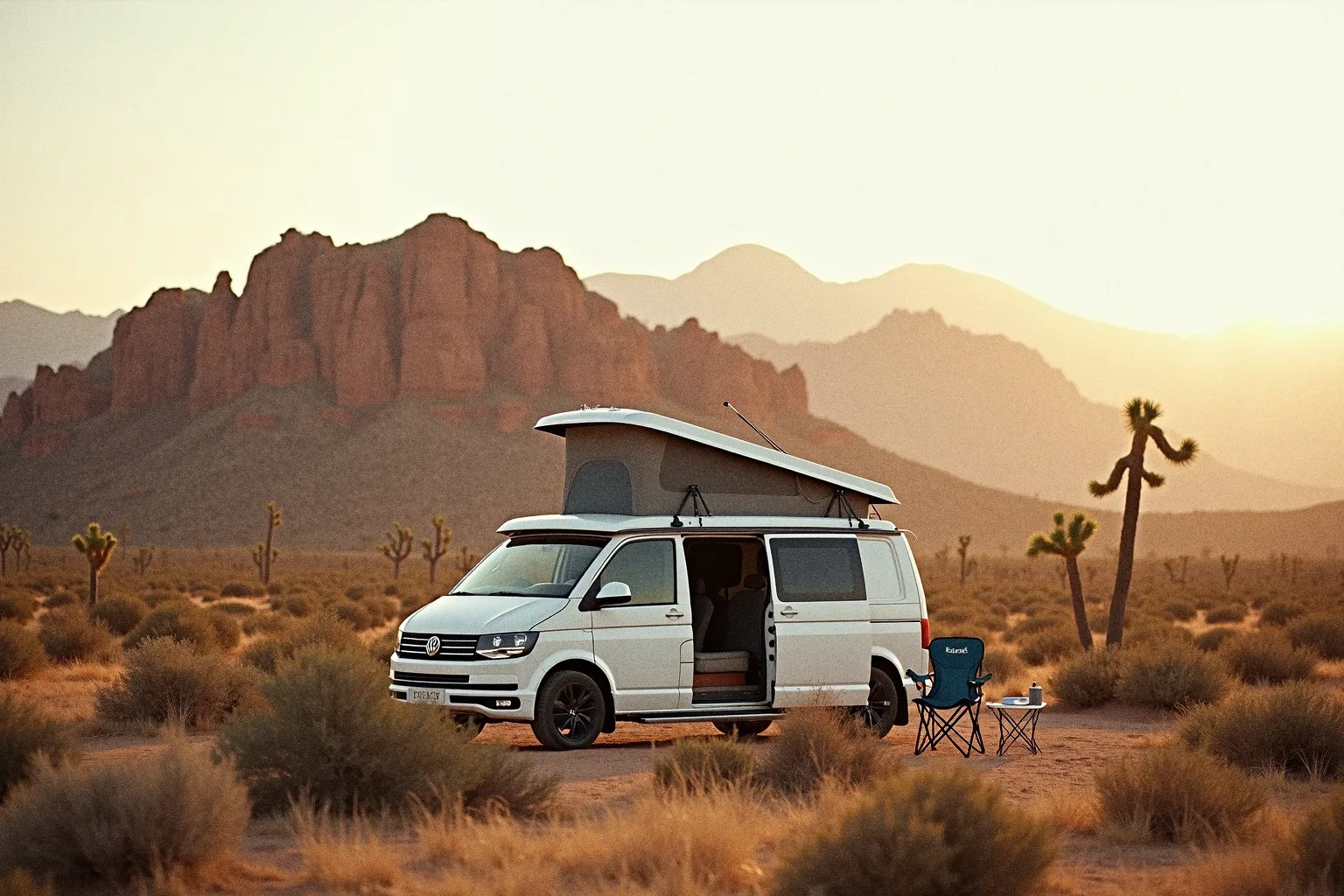
Quartzsite, Arizona
If there's a capital of nomad winter, it's Quartzsite. This tiny town in western Arizona swells from about 3,500 residents to over 150,000 between November and February. Miles of free BLM camping surround the town on all sides. You can park for free for up to 14 days in the short-term areas, or get a season-long permit for the long-term visitor areas for about $180.
The draw isn't the town itself. It's the density. Park anywhere on the BLM land south of I-10 and you'll be surrounded by converted vans, RVs, truck campers, and school bus builds. Campfires every night. People walking between camps. The Rubber Tramp Rendezvous happens here in January, pulling in thousands of nomads for workshops, meetups, and the closest thing the lifestyle has to a homecoming.
Sedona and Tucson, Arizona
Sedona's dispersed camping along Forest Road 525 and in the Coconino National Forest is some of the most beautiful free camping in the country. Red rock views, mild winter temps in the 50s and 60s, and a town with good coffee and fast Wi-Fi nearby. The 14-day limit is enforced, but you can move between zones.
Tucson is the services hub. Nomads who need to resupply, do laundry, get vehicle work done, or just want a few days in a city with good food tend to base out of Tucson. The BLM land around Snyder Hill and Gilbert Ray Campground gives you desert camping minutes from town.
Southern California Deserts
The BLM land around Joshua Tree, Anza-Borrego, and the Alabama Hills near Lone Pine offers free camping with dramatic scenery. Joshua Tree's dispersed camping fills up fast on weekends, but mid-week you can usually find a spot. The Alabama Hills are a hidden gem that experienced nomads treat like a secret, even though they're not. Stunning rock formations, views of the Sierras, and free camping with a 14-day limit.
Southern New Mexico
Las Cruces and the surrounding BLM land is underrated. Fewer crowds than Arizona, warmer than you'd expect, and the Organ Mountains provide a striking backdrop. The free camping near Aguirre Springs and along the Rio Grande is excellent. City of Rocks State Park, while not free, is one of the most unique campgrounds in the country.
Texas Hill Country
Some nomads skip the desert entirely and winter in central Texas. The Hill Country around Fredericksburg, Wimberley, and the Highland Lakes offers mild winters, green rolling hills, and a different vibe from the desert crowd. Free camping is harder to find here, but affordable state parks and private campgrounds fill the gap. The nomad density is lower, which some people prefer.
Baja, Mexico
An increasing number of van lifers head south of the border for winter. The Baja peninsula offers free beach camping, incredibly cheap food and fuel, and a pace of life that makes the US desert circuit feel hectic. You need Mexican vehicle insurance and the right attitude about roads, but the reward is some of the most beautiful and affordable winter camping available to anyone driving from the US.
Spring (March - May): The Transition North
This is the migration window. As the desert heats up past comfortable, the nomad population begins spreading north and east. Spring is the best time for the in-between places that are too cold in winter and too hot in summer.
Moab, Utah
March through May is peak Moab. The temperatures are perfect, the national parks aren't yet at full summer crush, and the BLM land along Highway 313 and along the Colorado River offers free camping with red rock views in every direction. Moab is a magnet for the outdoor crowd, so you'll find nomads who climb, bike, hike, and kayak all concentrated in one area.
The free camping fills up by mid-morning on weekends, so arrive Thursday or Friday if you want a good spot. The 14-day BLM limit rotates you between zones, but there's enough BLM land in the area that you can spend a month bouncing between spots.
Colorado's Western Slope
Grand Junction, Fruita, and the surrounding BLM land warm up before the high country does. The desert terrain feels like an extension of Utah, but with fewer people. The free camping near Rabbit Valley and along the Dolores River is excellent for spring. By May, you can start pushing into the mountain towns as snow melts off the passes.
Pacific Northwest Warm-Up
The Oregon coast and Washington's Olympic Peninsula start becoming livable in April and May. It's still rainy, but the crowds haven't arrived and the national forest camping is wide open. Experienced nomads use spring in the PNW as a way to position themselves for summer without fighting for spots in July.
Summer (June - August): Mountains and Coast
Summer is about elevation and ocean breeze. The desert is deadly hot, the South is humid, and the only comfortable places to live in a vehicle without air conditioning are up high or on the coast. This is when the nomad population is most spread out, but there are still clear clusters.
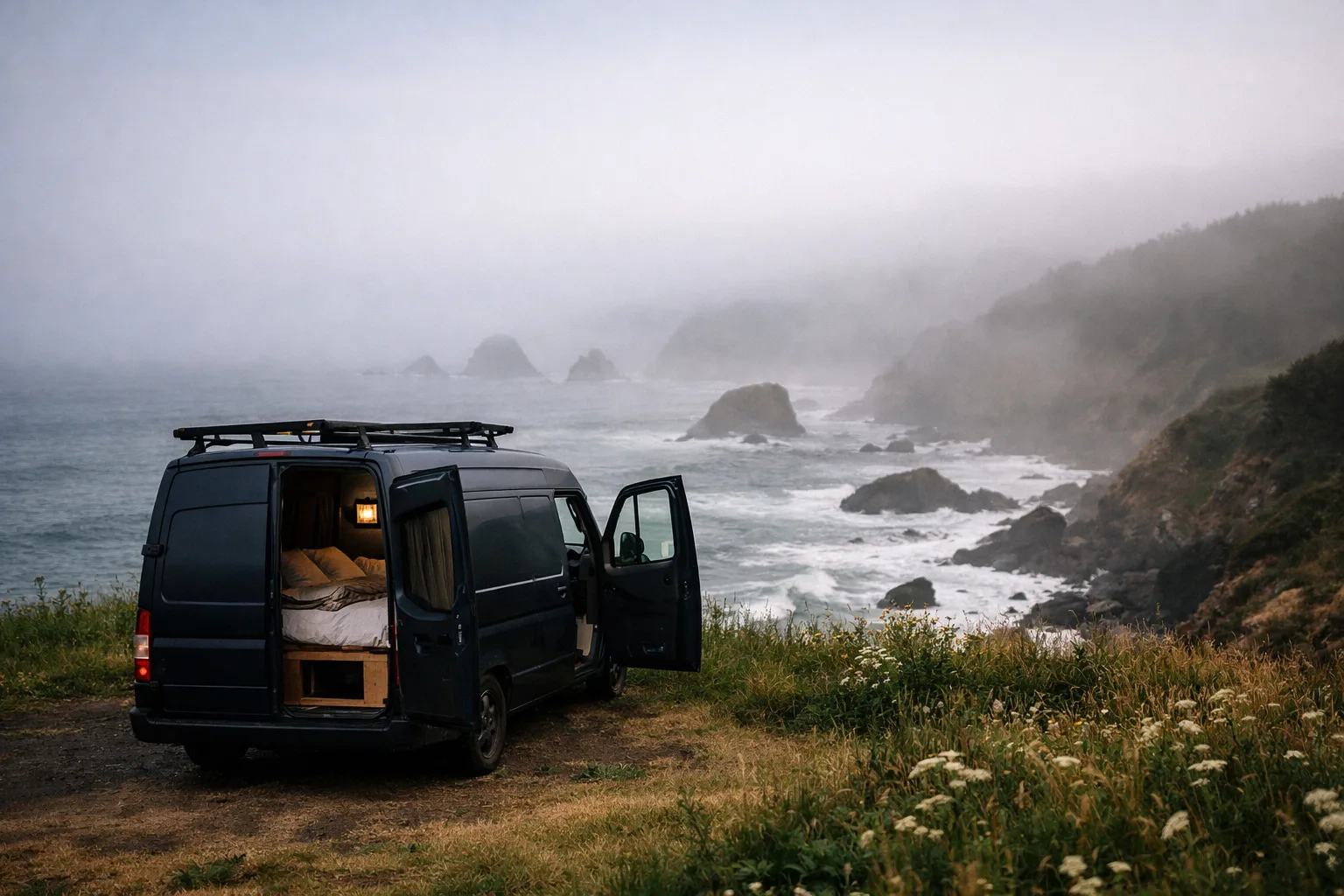
Oregon Coast
The entire Oregon coastline is public, and the national forest campgrounds in the Coast Range are plentiful and affordable. Summer highs in the 60s and 70s make it one of the most comfortable places in the country for vehicle living. Towns like Bandon, Gold Beach, Yachats, and Cannon Beach offer personality without tourist overwhelm (except on holiday weekends).
Free camping is tighter on the coast itself, but pull 20 minutes inland into the Siuslaw or Tillamook National Forests and you'll find dispersed camping throughout.
Washington State
The Olympic Peninsula and the Cascades offer some of the best summer camping in the US. National forest dispersed camping in the Okanogan-Wenatchee, Gifford Pinchot, and Olympic National Forests is abundant and free. The San Juan Islands are worth the ferry if you want a few days of island life. Summer temps are perfect, and the long daylight hours make everything feel expansive.
Montana
The national forests around Glacier, the Bitterroot Valley near Missoula, and the Gallatin Valley near Bozeman offer free dispersed camping with mountain scenery. Montana in summer is one of those places that makes you question why anyone lives anywhere else. The nomad density is growing here as word gets out, but it still feels uncrowded compared to the Southwest in winter.
Colorado Rockies
Once the high passes open in June, Colorado's mountain towns become the summer hub for nomads who want altitude. The national forest land around Leadville, Buena Vista, Salida, and Crested Butte offers free dispersed camping at 8,000 to 10,000 feet. Daytime highs in the 70s, cool nights, and reliable afternoon thunderstorms that keep the dust down.
The Colorado nomad scene in summer is active. Farmers markets, hot springs, trail running, climbing. If you want community without the structure of a gathering, parking near any Colorado mountain town in July will put you near other nomads.
Northern California
The Shasta-Trinity, Mendocino, and Six Rivers National Forests offer free camping with towering trees and cool temperatures. The northern coast around Eureka and Trinidad is foggy and beautiful. This corridor is less crowded than Oregon and less expensive than anywhere south of San Francisco.
Fall (September - November): Shoulder Season Gold
Fall is the best-kept-secret season for van life. The summer crowds are gone, the weather is still comfortable in many places, and the nomad population starts its slow drift back toward the Southwest. Some of the best camping windows of the entire year happen in these three months.
The Southwest Returns
By October, the desert Southwest cools back into comfortable range. This is the sweet spot before the winter crowds arrive. All those Quartzsite and Sedona spots that were packed in January? They're half empty in October. You get the same free camping, the same scenery, and a fraction of the people.
Moab in September and October is arguably better than spring. The cottonwoods along the Colorado River turn gold, the crowds thin after Labor Day, and the temperatures are ideal.
New England (Brief Window)
A small but dedicated group of nomads makes the trek to Vermont, New Hampshire, and Maine for fall foliage. The window is short, roughly late September through mid-October, and free camping is almost nonexistent in New England. But the national forests in the White Mountains and Green Mountains do have dispersed camping, and the scenery is unlike anything in the West.
This is a detour, not a destination for most nomads. But if you've never seen New England in fall from the back of your van, it's worth one trip.
The Nomad Circuit Closes
By November, the pattern completes itself. The northern spots get cold, the mountain passes close, and everyone starts drifting south and west again. You'll see the same people you saw last January in Quartzsite showing up again, parking in the same zones, restarting the same campfire conversations. The circuit is a loop, and the loop is the community.
The Real Secret: Go Where the Nomads Go
The best places for van life aren't just about scenery or free camping. They're about density. Nomad life can be isolating if you're parked somewhere beautiful but completely alone. The places on this list aren't just good spots. They're where the community naturally gathers because the weather and the land pull everyone in the same direction at the same time.
When you follow the circuit, you stop being a stranger everywhere. You start running into the same people. The couple with the blue Sprinter from Quartzsite shows up in Moab in April. The solo woman in the truck camper from the Alabama Hills ends up at the same Oregon coast pullout in July. The network builds itself because you're all following the same sun.
The nomad circuit isn't a route you plan. It's a pattern you fall into once you realize everyone else already figured out where to be and when.
If you're just starting out, don't try to be original. Go where the experienced nomads go. You'll find better camping, better weather, and most importantly, better company.
Frequently Asked Questions
Where do van lifers go in winter?
Van lifers winter overwhelmingly in the Southwest US. The biggest clusters are Quartzsite AZ (the largest annual gathering, January RTR), Slab City and Anza-Borrego in California, southern New Mexico BLM land, the Texas Hill Country, and Baja Mexico for those willing to cross the border. Sedona and Tucson AZ also get heavy nomad traffic from November through March because of the warmth and free public-land camping.
Where do van lifers go in summer?
In summer, van lifers head north to the mountains and Pacific coast: Bend OR, the Tahoe area, Montana (especially Bozeman/Missoula corridors), the Oregon and Washington coasts, and Colorado mountain towns. The reasoning is simple — by June, the Southwest is too hot to live in a van without expensive air conditioning, and the high country has both cooler temperatures and a longer free-camping season.
What is the most popular van life destination in the US?
Quartzsite, Arizona is the single most concentrated van life destination in the US. Each January, the Rubber Tramp Rendezvous (RTR) draws thousands of full-time nomads to free BLM land near the town for two weeks of community gathering. Outside of January, Quartzsite remains a winter hub from November through March because of free 14-day BLM camping, mild temperatures, and dense nomad density.
Where can I find free van life camping in the US?
The largest sources of free van life camping in the US are BLM (Bureau of Land Management) dispersed camping areas across the Western states, National Forest dispersed camping (typically 14-day stay limits), Walmart and Cracker Barrel parking lots for one-night stays, and Harvest Hosts memberships ($99/year for unlimited stays at participating wineries and farms). Apps like iOverlander, Campendium, and FreeRoam are the standard tools for finding specific spots and reading recent reviews.
Is Quartzsite, Arizona worth visiting?
Quartzsite is worth visiting at least once if you're a full-time van lifer. It's not scenic in the conventional sense — it's flat desert with strip-mall infrastructure — but the density of nomads (especially during RTR in January) makes it the easiest place in North America to meet other full-timers, learn skills from experienced nomads, and find loose travel companions. Many nomads describe it as life-changing for their first winter, then visit selectively or skip it once they have an established community.
When is the best time of year for van life in the Southwest?
The Southwest van life season runs roughly mid-October through mid-April. November-February has the most predictable mild weather; March-April brings spring blooms but also wind. Avoid May through September — desert temperatures regularly exceed 100°F and overnight lows stay too warm to sleep without AC. By contrast, summer is when nomads migrate to the Pacific Northwest, the Rockies, and Northern California.
Find nomads near you
nomatch is a verified community of van lifers, RV travelers, and digital nomads. See who's nearby, what they're down for, and connect.